When it comes to protecting your property, one of the most important steps you can take. Whether you’re a property manager, homeowner, or business owner, understanding the potential fire hazards within your building and taking steps to reduce these risks is critical. A helps to identify hazards, evaluate risks, and implement fire safety measures that can prevent fire outbreaks. In this article, we’ll explore why a fire risk assessment is crucial, how to conduct one, and the benefits of regularly reviewing it.
Why a Fire Risk Assessment is Important
A fire risk assessment is vital for ensuring that your property complies with safety regulations and provides a safe environment for its occupants. It helps you identify potential fire hazards in your building, assess the likelihood of a fire, and take proactive measures to mitigate the risks. Without conducting, you expose your property, employees, or tenants to unnecessary dangers.
In many countries, including the UK, fire safety regulations mandate that property owners must conduct a fire risk assessment for non-domestic buildings. This includes offices, residential properties with multiple tenants, and other commercial spaces. Regular assessments ensure that fire safety measures are up to date and compliant with current laws, preventing legal issues and protecting lives.
The Process of Conducting a Fire Risk Assessment
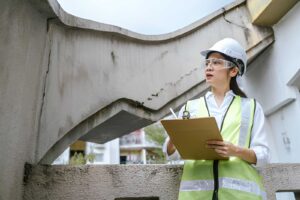
A involves several steps to identify and manage fire hazards. The first step is identifying potential fire hazards within the building, such as faulty electrical systems, combustible materials, and heating equipment. Once hazards are identified, the next step is evaluating the risks. How likely is it that each hazard could cause a fire? What would be the consequences if it did?
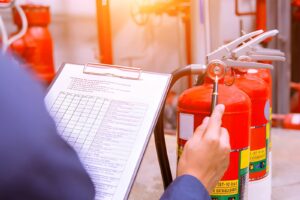
Following this evaluation, a fire risk will recommend control measures to mitigate these risks. This might include upgrading fire safety equipment, ensuring escape routes are clearly marked, and training employees or tenants on fire safety protocols. A comprehensive risk assessment provides the information needed to implement these measures, helping to reduce the likelihood of a fire occurring.
Legal Requirements for Fire Risk Assessment
In many countries, conducting a fire risk is a legal requirement for businesses and property owners. In the UK, the Regulatory Reform (Fire Safety) Order 2005 mandates that owners of non-domestic buildings must conduct a fire regularly. Failure to do so could result in serious legal consequences, including fines and criminal prosecution.
For property owners, having a fire risk is crucial not only for compliance but also for avoiding costly legal actions. A valid risk assessment demonstrates that you are taking the necessary steps to ensure the safety of everyone in the building. Regular reviews and updates of the fire risk assessment will help keep the property compliant with changing regulations, preventing legal issues down the line.
Benefits of Conducting a Fire Risk Assessment
The most obvious benefit of a fire risk assessment is the protection it offers to people. By identifying fire hazards and addressing them, you reduce the chances of a fire breaking out and protect the lives of tenants, employees, and visitors. This is especially critical in multi-story buildings, industrial sites, or places where large groups of people gather.
Another significant benefit is the protection of your property and assets. A fire can cause devastating damage to both the structure and contents of a building. By implementing measures from a fire risk assessment, you reduce the likelihood of this occurring. Additionally, many insurance companies require fire risk to provide coverage. Without an up-to-date assessment, you could face higher premiums or denial of claims.
Lastly, a risk assessment helps you reduce insurance costs. Insurers are more likely to offer better rates if your property is properly assessed and complies with fire safety standards. Regular fire risk can ensure that your property stays in compliance with fire safety regulations, potentially lowering your premiums and making your property more attractive to insurers.
Regular Review and Update of Fire Risk Assessments
A fire risk should not be a one-time task. Buildings and their occupants change over time, and these changes can introduce new fire hazards. Whether you’re renovating the property, adding new tenants, or updating equipment, it’s essential to conduct regular reviews of your fire risk assessment.
Updating your risk assessment ensures that any new risks are identified and mitigated in a timely manner. This is especially important in industries with high fire risks, such as manufacturing, where equipment and processes change frequently. Regular updates to your risk assessment will help ensure that fire safety measures are always relevant and effective.
Fire Risk Assessment in High-Risk Areas
In high-density areas like London, the need for a thorough FRA becomes even more crucial. London’s dense population, combined with its high-rise buildings and mixed-use properties, presents unique challenges for fire safety. Fire risks in these areas are higher due to the complexity of building layouts and the number of people that might be affected by a fire.
For properties in high-risk areas, conducting a fire risk assessment is vital for compliance with fire safety regulations. Professional consultants in high-risk areas like London can provide tailored advice to address the unique challenges posed by the building’s structure and occupancy. These assessments often involve more detailed evaluations to ensure that emergency plans are adequate for the building’s needs.
Fire Risk Assessment for Business Owners
For business owners, conducting a FRAn is crucial not only for legal compliance but also for protecting their employees, clients, and assets. A fire risk assessment helps identify potential hazards within the business, assess risks, and implement preventative measures. For example, businesses may need to install fire alarms, ensure that fire exits are easily accessible, and conduct regular fire drills.
Furthermore, a fire risk assessment ensures that business operations can continue smoothly in the event of a fire. By implementing the recommendations of a fire risk assessment, businesses can reduce downtime caused by fire-related incidents, minimizing the impact on productivity and revenue.
Conclusion
A FRA is an essential step in ensuring the safety of your property, the protection of its occupants, and compliance with legal regulations. Whether you are a property owner, business manager, or landlord, conducting a fire risk assessment ensures that you are taking the necessary steps to identify fire hazards, evaluate risks, and mitigate potential dangers. Regular reviews and updates to your FRA are crucial for keeping your property safe and compliant with fire safety laws.The benefits of a fire Safety risk assessment go beyond compliance and protection. It helps reduce the financial impact of fire-related damage, lowers insurance premiums, and ensures the long-term safety of the property and its occupants. Don’t wait until it’s too late—schedule a FRA today to safeguard your property from the devastating effects of fire.