Introduction
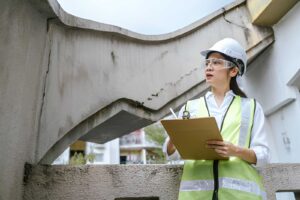
A fire risk assessment is an essential process for identifying potential fire hazards, evaluating their risks, and implementing measures to reduce the chances of a fire occurring. Whether you’re a homeowner, landlord, or business owner, this assessment is critical to ensuring the safety of the building and its occupants. In this guide, we will explore the importance of a fire risk assessment, the steps involved, and how it helps prevent potential fire-related accidents.
What is a Fire Risk Assessment?
A fire risk assessment is a detailed evaluation of a property’s fire hazards and safety measures. It involves identifying areas that may pose a fire risk, assessing the likelihood of a fire occurring, and implementing necessary measures to minimize or eliminate those risks. The process involves reviewing existing fire safety equipment, escape routes, and procedures to ensure they comply with fire safety regulations. This assessment is required for both residential and commercial properties to meet legal obligations and protect the lives of everyone within the building.
Why is a Fire Risk Assessment Important?
- Ensures Safety
The primary reason for conducting a fire risk assessment is to ensure the safety of people within the property. By identifying potential hazards and addressing them, you can prevent devastating fires that could result in injuries or fatalities. - Legal Requirement
In many regions, fire safety regulations require businesses and landlords to conduct regular fire risk assessments. It is essential to ensure compliance with the law to avoid fines or legal consequences. - Insurance Compliance
Many insurance policies require proof of a recent fire risk assessment before covering damages from a fire. Regular assessments help ensure your property is adequately insured in case of an emergency. - Prevents Property Damage
A well-executed fire risk assessment helps prevent fires from starting and reduces the potential damage caused by a fire. Identifying and fixing risks early can save valuable property and assets. - Peace of Mind
Regular fire risk assessments provide peace of mind, knowing that you’ve taken steps to protect your property and the people inside. It ensures that you are prepared for a fire emergency.
Key Steps in a Fire Risk Assessment
- Identify Fire Hazards
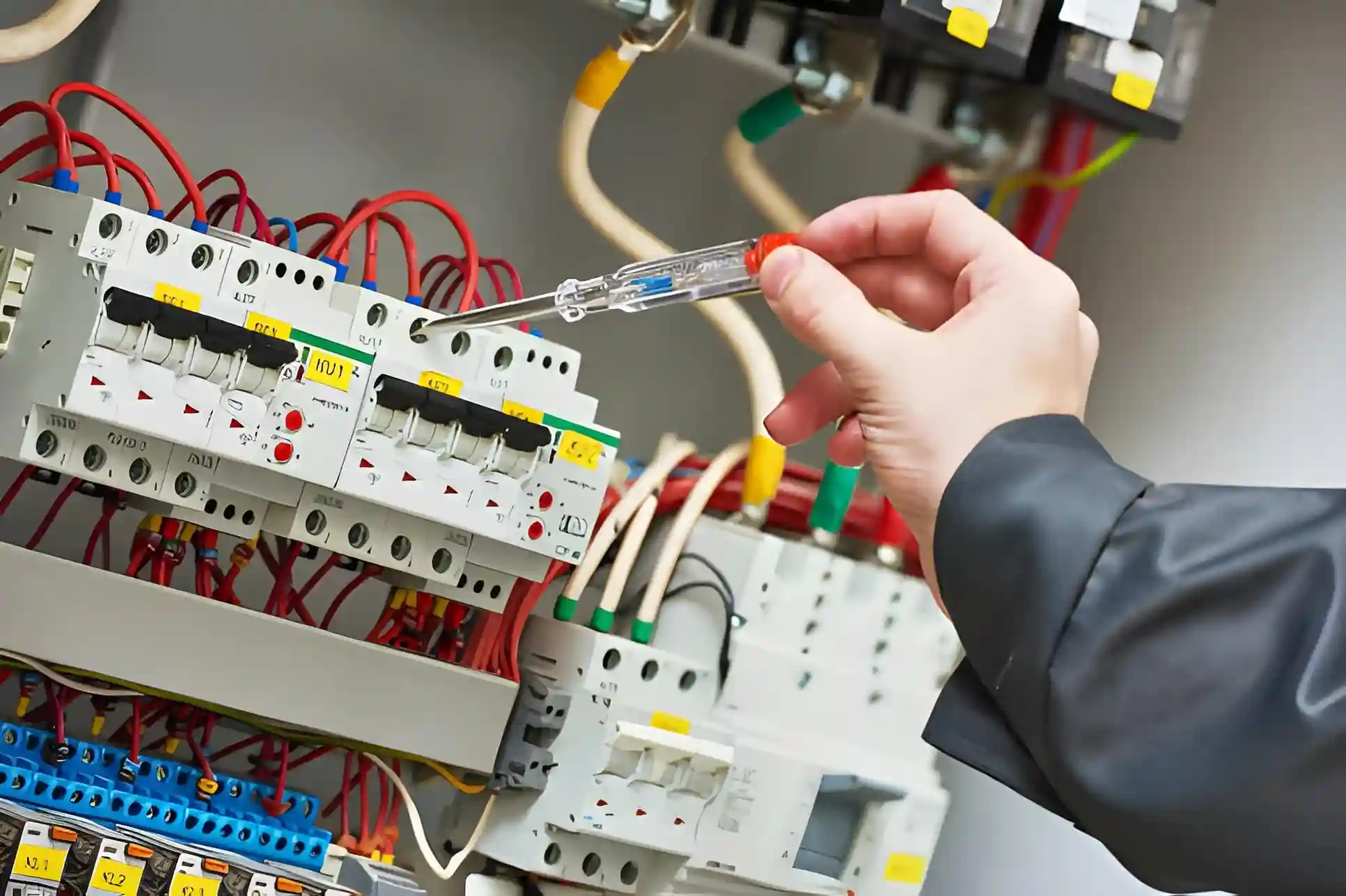
The first step in a fire risk assessment is identifying potential fire hazards. This includes checking for flammable materials, faulty electrical wiring, outdated appliances, and heating systems. Properly storing chemicals and ensuring that electrical systems are up to code is essential in preventing potential risks. - Evaluate the Risks
After identifying the hazards, the next step is to evaluate the risk they pose. This involves considering the likelihood of a fire starting and the severity of the potential consequences. For example, a faulty electrical system may present a high risk if it is located near flammable materials. - Implement Preventive Measures
Based on the risk assessment, preventive measures should be implemented to eliminate or reduce the identified hazards. This includes maintaining electrical systems, storing flammable materials properly, installing fire-resistant materials, and ensuring that appliances are regularly serviced. - Prepare Emergency Procedures
An emergency plan is crucial for ensuring that people can evacuate the building safely in the event of a fire. The plan should include clearly marked escape routes, assembly points, and a communication strategy. Regular fire drills should be conducted to ensure that everyone is familiar with the evacuation procedure. - Review and Update Regularly
Fire risks can change over time due to alterations in the building layout, new equipment, or increased usage of electrical systems. Regular reviews and updates of the fire risk assessment are necessary to ensure ongoing safety and compliance.
What Should Be Included in a Fire Risk Assessment?
- Fire Prevention
Prevention is key in reducing the risk of a fire. Ensuring proper storage of flammable materials, maintaining electrical systems, and installing fire-resistant materials are critical steps in preventing fires before they start. - Fire Detection and Alarm Systems
Having an effective fire detection system in place is essential. Smoke detectors, heat detectors, and manual call points should be installed and regularly tested to ensure they function properly. The system should be connected to an alarm that notifies everyone in the building when a fire is detected. - Escape Routes and Emergency Exits
Escape routes should be clearly marked and accessible at all times. Emergency exits should never be blocked, and pathways should be well lit, even in the event of a power failure. It’s important to have multiple exit routes, particularly in large buildings, to ensure everyone can escape quickly in the event of a fire. - Fire Fighting Equipment
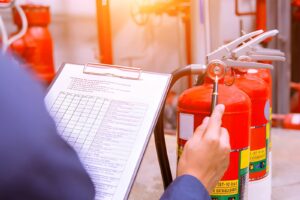
Fire extinguishers, fire blankets, and sprinklers are necessary to put out small fires before they spread. Ensure that the appropriate type of fire-fighting equipment is available and that staff members or tenants know how to use them. - Staff Training
Staff or tenants should be trained in fire safety procedures, including how to use fire extinguishers and how to evacuate safely. Regular fire drills should be conducted to practice evacuation and ensure that everyone is familiar with the procedures.
Fire Risk Assessment for Different Types of Properties
- Residential Properties
In homes, fire safety measures include installing smoke alarms, properly maintaining heating systems, and ensuring electrical appliances are in good working order. Homeowners should also educate their family members on fire safety and emergency procedures. - Commercial Properties
For businesses, a fire risk assessment should address workplace hazards, fire exits, and emergency procedures. Businesses must ensure that fire alarms are functioning, fire extinguishers are available, and employees are trained in fire safety. - Industrial Sites
Industrial sites that use heavy machinery, chemicals, or other flammable materials need a more detailed fire risk assessment. These properties require specialized fire protection systems, such as automatic sprinkler systems, fire-resistant materials, and emergency shutdown procedures for equipment.
Fire Safety Regulations and Compliance
Various regulations govern fire safety, depending on the region. For example:
- The Regulatory Reform (Fire Safety) Order 2005 (UK)
This legislation requires all non-domestic premises to conduct a fire risk assessment and implement necessary safety measures. The “Responsible Person” must ensure compliance with fire safety regulations. - NFPA Standards (USA)
The National Fire Protection Association (NFPA) provides guidelines for fire safety in businesses and public buildings, including requirements for fire detection systems, emergency plans, and inspections. - European Union Fire Safety Standards
The EU has strict fire safety regulations that require regular fire risk assessments and ensure compliance with fire prevention and protection standards.
Challenges in Fire Risk Assessment
Some challenges that property owners and managers may face include:
- Changing Fire Risks
Changes in the building, new equipment, or updated usage can introduce new fire risks. Regular updates to the fire risk assessment are necessary to account for these changes. - Cost of Fire Safety Measures
Implementing necessary fire safety measures can be expensive. However, investing in fire prevention can save lives and protect property in the long term. - Underreporting Hazards
In larger properties or older buildings, fire hazards may be overlooked. A thorough inspection is crucial to identify and address every potential risk.
Conclusion
A fire risk assessment is an essential tool for ensuring the safety of people, property, and assets. By identifying hazards, assessing risks, and implementing safety measures, property owners can reduce the likelihood of fire-related incidents. Whether you’re a homeowner, business owner, or landlord, conducting a regular fire risk assessment helps ensure compliance, protects lives, and minimizes potential damage.