Avoiding Fines: Gas Safety Regulations Every London Landlord Must Follow

If you’re a landlord in London, gas safety isn’t just another administrative task it’s a legal obligation. Failing to comply with gas safety regulations can result in heavy fines, invalid insurance, criminal prosecution, and in serious cases, imprisonment.
More importantly, poor gas safety can put your tenants’ lives at risk.
Understanding and following the correct gas safety regulations ensures you protect your tenants, your property, and your investment. This guide explains exactly what London landlords must do to stay compliant and avoid costly penalties.
Why Gas Safety Regulations Matter
Gas appliances, if not properly maintained, can cause:
Gas leaks
Fires and explosions
Carbon monoxide poisoning
Serious injury or death
Because of these risks, UK law places clear responsibilities on landlords. In London where rental properties are densely occupied and often converted or older buildings enforcement is taken seriously.
Gas safety compliance is not optional. It is a strict legal requirement.
The Legal Framework Landlords Must Follow
Landlord gas responsibilities are governed by the Gas Safety (Installation and Use) Regulations 1998. These regulations apply to:
Private landlords
Letting agents acting on behalf of landlords
Housing associations
Property management companies
If you rent out a property with gas appliances, you are legally responsible for ensuring they are safe.
Annual Gas Safety Check (CP12 Certificate)
The most important requirement is arranging an annual gas safety check carried out by a registered engineer from the Gas Safe Register.
Only engineers listed on the Gas Safe Register are legally allowed to work on gas appliances.
What Is Checked?
During the inspection, the engineer will:
Inspect boilers and gas appliances
Check gas pipework
Test ventilation
Check flues and chimneys
Ensure appliances are operating safely
Test for gas leaks
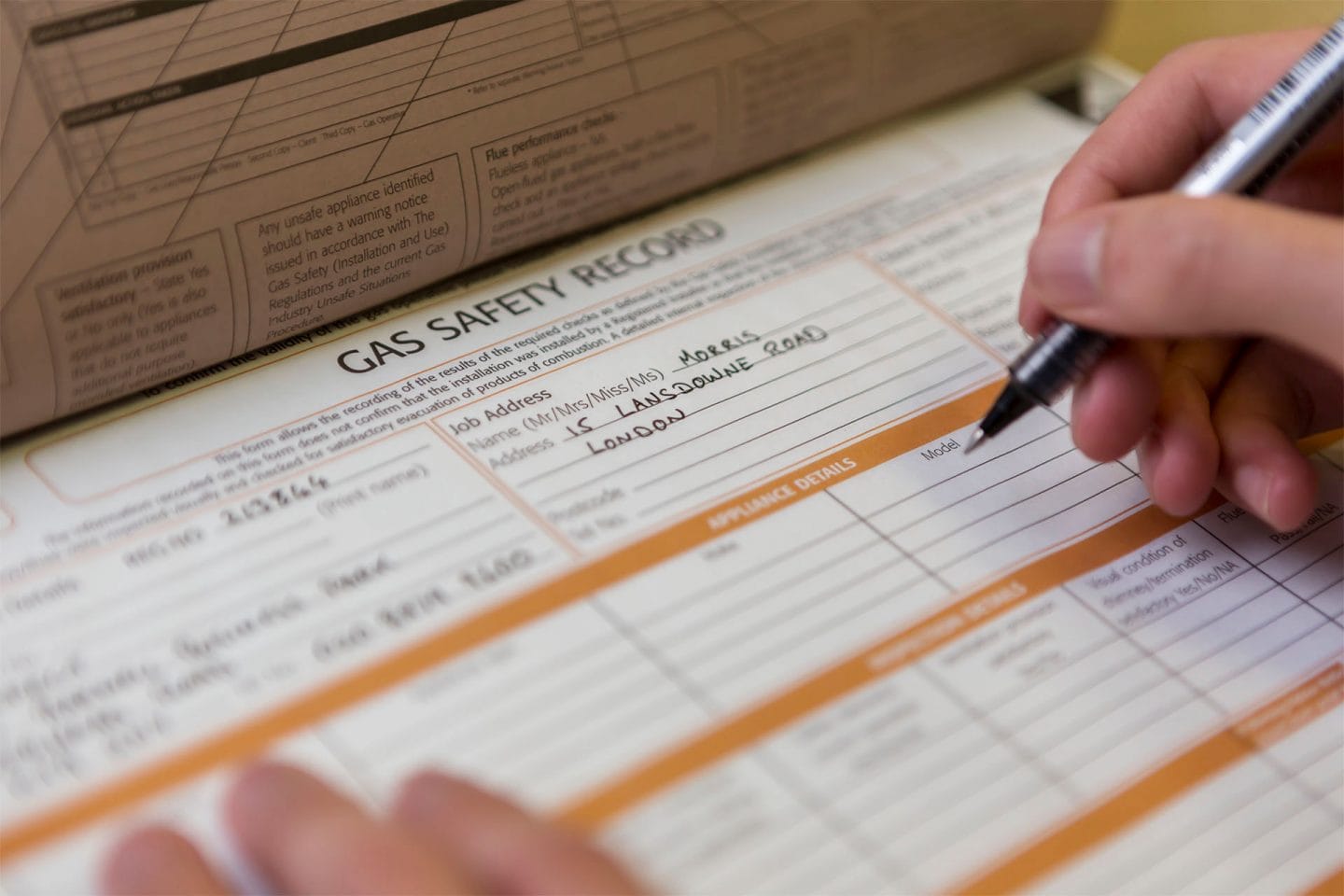
Once completed, you will receive a Gas Safety Certificate, commonly referred to as a CP12.
Providing the Gas Safety Certificate to Tenants
Landlords must:
Provide a copy of the gas safety certificate to existing tenants within 28 days of the check
Provide a copy to new tenants before they move in
Keep records for at least two years
Failure to provide a valid certificate can result in fines and may affect your ability to serve a Section 21 notice.
In London’s competitive rental market, documentation matters.
Maintaining Gas Appliances
An annual check alone is not enough. Landlords must also:
Maintain all gas appliances in safe working order
Arrange repairs promptly
Ensure safe installation of new appliances
Keep pipework properly maintained
If a tenant reports a gas smell or appliance fault, action must be taken immediately.
Ignoring maintenance responsibilities can be considered negligence.
Carbon Monoxide Alarm Requirements
In addition to gas safety checks, landlords must install carbon monoxide alarms in rooms containing solid fuel appliances. Best practice also recommends installing CO alarms near gas boilers.
Carbon monoxide is colourless and odourless tenants may not detect it until symptoms appear.
Regular testing and maintenance of alarms further demonstrate compliance and care.
Gas Safety in HMOs and Multi-Occupancy Properties
Gas safety regulations apply equally to HMOs (Houses in Multiple Occupation). However, enforcement may be stricter due to:
Higher occupancy levels
Shared kitchens
Increased appliance usage
Local London borough councils often inspect HMOs more closely. Ensuring your gas safety certificate is current and properly documented is essential to avoid enforcement action.
Common Mistakes That Lead to Fines
Many landlords face penalties due to simple but serious errors:
Using an unregistered engineer
Missing the annual renewal deadline
Failing to provide the certificate to tenants
Not keeping proper records
Ignoring reported faults
Installing appliances without proper certification
Even administrative oversight can result in prosecution.
What Are the Penalties for Non-Compliance?
Failure to comply with gas safety regulations can result in:
Unlimited fines
Criminal prosecution
Imprisonment (in severe cases)
Invalidation of landlord insurance
Compensation claims from tenants
Inability to evict tenants legally
In serious cases involving injury or death, charges can escalate significantly.
The financial and reputational damage can be devastating.
How Gas Safety Protects Your Insurance
Insurance providers increasingly require evidence of compliance. If a gas-related incident occurs and you cannot provide:
A valid gas safety certificate
Proof of annual inspections
Maintenance records
Your insurer may refuse or reduce your claim.
Maintaining proper gas safety documentation strengthens your position and demonstrates responsible property management.
Best Practice for London Landlords
To avoid fines and stay fully compliant, landlords should:
Schedule annual gas safety checks well before expiry
Use only Gas Safe registered engineers
Keep digital and physical copies of certificates
Provide certificates to tenants promptly
Act quickly on reported issues
Keep maintenance logs
Install and test carbon monoxide alarms
Being proactive is always safer and cheaper than dealing with enforcement action.
When Should You Book Your Gas Safety Check?
Gas safety checks must be carried out every 12 months. However, you can arrange the renewal up to two months before the expiry date while keeping the original renewal date.
This flexibility helps landlords maintain continuous compliance without shortening the certificate period.
Setting reminders or using a professional compliance service can help ensure deadlines are never missed.
Final Thoughts
Gas safety regulations are clear, strict and enforced especially in London. As a landlord, you carry full responsibility for ensuring gas appliances are safe and compliant.
By arranging annual inspections, maintaining appliances properly, keeping accurate records and responding quickly to issues, you significantly reduce risk.
Most importantly, you protect your tenants from harm.
Avoiding fines is important but protecting lives and your investment is even more critical. Staying on top of gas safety compliance is not just about meeting legal requirements; it’s about being a responsible and professional landlord.