Electrical safety is one of the most important aspects of property management — yet it’s often overlooked until something goes wrong. For landlords, property managers, and even homeowners in London, an EICR (Electrical Installation Condition Report) is essential to ensure that all electrical installations are safe, compliant, and reliable.
An EICR is not just a legal formality — it’s a practical tool that protects people, property, and finances. From preventing fire risks to avoiding costly insurance claims, a regular EICR check provides peace of mind for everyone involved.
This guide explains what EICR checks are, why they matter, and how they impact safety and compliance in London properties.
What Is an EICR?
An Electrical Installation Condition Report (EICR) is a detailed assessment of a property’s electrical system to ensure it is safe and working correctly.
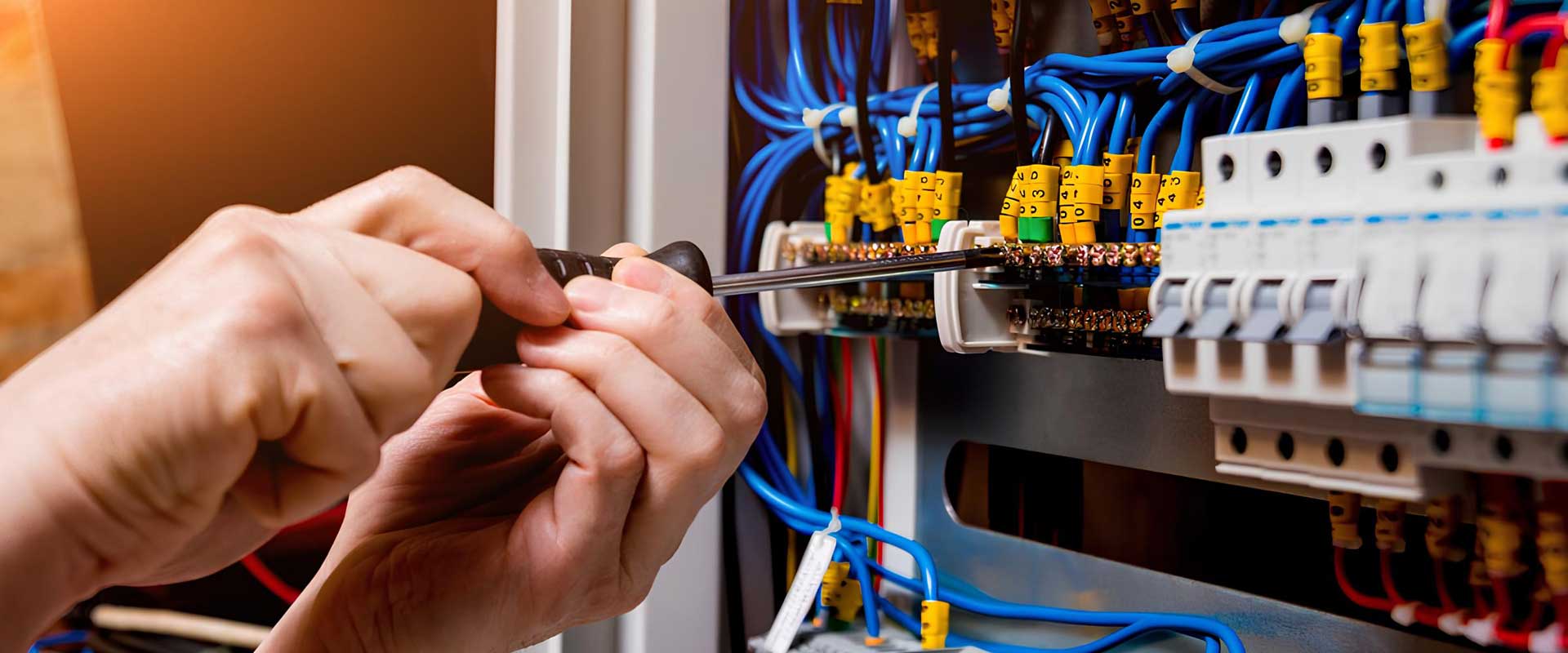
The check is carried out by a qualified and registered electrician and includes:
Inspecting wiring, sockets, switches, and light fittings
Testing circuit breakers and RCDs (Residual Current Devices)
Checking earthing and bonding
Identifying damage, deterioration, or unsafe installations
Producing a written report highlighting defects and recommendations
The report categorises issues as:
C1 (Danger present): Immediate action required
C2 (Potentially dangerous): Urgent remedial work required
C3 (Improvement recommended): Not immediately dangerous but should be addressed
FI (Further investigation required): Additional checks needed
In London, an EICR is essential for landlords to comply with regulations and for homeowners to maintain safe electrical installations.
Why EICR Checks Are Important
Electrical faults are one of the leading causes of residential fires in the UK. In London’s high-density housing, older buildings, and HMOs, the risk is even higher. EICR checks protect:
1. Tenant and Occupant Safety
A faulty electrical system can cause:
Fires and explosions
Electric shocks
Appliance malfunctions
Regular EICR checks ensure that tenants or residents are safe and that hazards are identified before accidents occur.
2. Property Protection
Electrical fires can destroy property quickly, causing extensive structural and smoke damage. By identifying issues early, an EICR helps prevent costly damage and disruption.
3. Legal Compliance
Under the Landlord and Tenant Act 1985 and associated electrical safety regulations, landlords must ensure that all electrical installations are maintained safely.
New rentals and HMOs: EICR must be done every 5 years (or more frequently if recommended)
Private rentals: All electrical installations must be safe at the start of a tenancy
Failing to provide an EICR can result in fines, enforcement action from local authorities, and even criminal liability in severe cases.
4. Insurance Protection
Insurance companies require proof that reasonable precautions have been taken to prevent hazards. Without an EICR, claims related to electrical faults or fires may be reduced or rejected.
EICR Checks and Different Property Types in London
London properties vary widely, from single flats to large HMOs and mixed-use buildings. The approach to electrical safety differs depending on the property type.
HMOs
Houses in Multiple Occupation have higher electrical loads due to multiple tenants sharing appliances. EICR checks in HMOs focus on:
Overloaded circuits
Adequate RCD protection
Safe distribution of sockets and wiring
Proper maintenance of communal areas
Flats and Converted Properties
Older buildings may have outdated wiring that doesn’t meet current safety standards. An EICR ensures that:
Fuse boxes and breakers are modern and safe
Hidden wiring is inspected for wear or damage
Fire safety in electrical installations is compliant
Commercial and Mixed-Use Properties
For mixed-use or commercial properties with electrical systems powering business operations:
EICR checks cover both domestic and commercial circuits
Compliance with HSE (Health & Safety Executive) guidance may be required
Common Issues Found During EICR Checks
In London, electricians often identify recurring problems during inspections:
Overloaded sockets and circuits
Faulty or missing RCDs
Poor earthing or bonding
Damaged wiring or cables
Outdated consumer units
DIY installations or modifications
Addressing these issues promptly is critical to maintaining safety and compliance.
How Often Should You Carry Out an EICR?
The frequency of checks depends on the property type and its usage:
Private rental properties: At least every 5 years
HMOs: At least every 5 years or sooner if specified by the local authority
Post-tenancy checks: Recommended at the start of a new tenancy
Older properties or high-risk environments: More frequent inspections may be advised
Regular reviews ensure that all electrical installations remain safe and functional.
Choosing the Right Electrician for EICR Checks
Not all electricians are qualified to carry out EICRs. For London properties, make sure to use:
A registered electrician (often on the NICEIC or NAPIT register)
Someone with experience in your type of property
An electrician who provides a detailed, easy-to-understand report with clear recommendations
A professional EICR ensures credibility and compliance — and it is often required by insurers.
Benefits of EICR Checks Beyond Compliance
While legal and insurance reasons are important, EICR checks offer additional benefits:
Peace of mind: Knowing your electrical system is safe
Early detection: Spot potential problems before they become dangerous or costly
Property value: Well-maintained electrical systems enhance property desirability
Tenant confidence: Demonstrates commitment to tenant safety and wellbeing
In competitive London rental markets, these advantages can make a real difference.
Final Thoughts
Electrical safety is not something to take lightly. An EICR check protects tenants, safeguards property, ensures legal compliance, and supports insurance coverage.
In London’s diverse property market — from older flats to large HMOs — regular electrical inspections are an essential part of responsible property management.
By arranging professional EICR checks, landlords and property owners:
Minimise fire and electrical risks
Avoid fines and legal action
Maintain tenant confidence and safety
Protect long-term investment and insurance coverage
Whether you are a landlord, property manager, or homeowner, understanding and acting on EICR recommendations is a simple yet crucial step in keeping your property safe, compliant, and well-maintained.