Introduction
Fire incidents can occur unexpectedly and cause devastating damage to homes, businesses, and lives. Every year, thousands of fires result in injuries, fatalities, and significant property losses worldwide. While emergency response systems and fire alarm technologies play an important role in reducing damage, prevention remains the most effective strategy.
Understanding and implementing proper Fire Prevention Tips can significantly reduce the likelihood of fire emergencies. Whether at home, in the workplace, or in commercial facilities, taking proactive safety measures helps protect people, property, and valuable assets.
Modern lifestyles involve extensive use of electrical appliances, heating equipment, cooking devices, and technology systems. While these innovations improve convenience, they can also increase fire risks if not properly maintained. By following proven fire prevention practices, individuals and organizations can create safer environments and minimize potential hazards.
This comprehensive guide explores the most important Fire Prevention Tips for homes, offices, schools, and industrial facilities.
Why Fire Prevention Is Important
Fire prevention focuses on identifying hazards and reducing risks before a fire starts.
The benefits of fire prevention include:
- Protecting human lives
- Reducing property damage
- Minimizing financial losses
- Improving workplace safety
- Ensuring regulatory compliance
- Enhancing emergency preparedness
Preventive measures are often far less expensive than dealing with the consequences of a fire incident.
Common Causes of Fires
Understanding the most common causes of fires helps individuals take appropriate precautions.
Electrical Problems
Faulty wiring, overloaded circuits, and damaged electrical equipment are leading causes of residential and commercial fires.
Cooking Accidents
Unattended cooking remains one of the most common causes of home fires.
Heating Equipment
Space heaters, furnaces, and fireplaces can become fire hazards if improperly maintained.
Smoking Materials
Carelessly discarded cigarettes and smoking materials can ignite nearby combustible items.
Flammable Materials
Improper storage of fuels, chemicals, and other flammable substances increases fire risks.
Awareness of these common hazards is the first step toward implementing effective Fire Prevention Tips.
Install Smoke Detectors
Smoke detectors are among the most important fire safety devices.
They provide early warnings that allow occupants to evacuate safely before a fire spreads.
Placement Recommendations
Install smoke detectors:
- Inside bedrooms
- Outside sleeping areas
- On every floor
- Near stairways
Maintenance Tips
- Test detectors monthly
- Replace batteries regularly
- Clean units periodically
- Replace outdated detectors
Working smoke detectors significantly improve fire safety outcomes.
Use Modern Fire Alarm Systems
Advanced fire alarm systems provide faster detection and improved response capabilities.
Benefits include:
- Early fire detection
- Audible and visual alerts
- Smart monitoring
- Emergency notifications
Investing in professional fire alarm technology is one of the most effective Fire Prevention Tips for homes and businesses.
Practice Safe Cooking Habits
Kitchen-related fires account for a large percentage of residential fire incidents.
Safe Cooking Practices
- Never leave cooking unattended
- Keep flammable items away from stoves
- Turn off appliances when not in use
- Keep cooking surfaces clean
Simple habits can significantly reduce kitchen fire risks.
Prevent Electrical Fires
Electrical safety plays a critical role in fire prevention.
Electrical Safety Tips
- Avoid overloading outlets
- Replace damaged cords
- Use certified electrical products
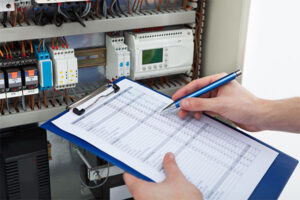
- Schedule regular inspections
- Keep electrical devices away from water
Professional inspections can identify hidden electrical hazards before they become dangerous.
Store Flammable Materials Properly
Many household and industrial products are highly combustible.
Examples include:
- Gasoline
- Paint thinners
- Cleaning chemicals
- Propane cylinders
Storage Guidelines
- Store in approved containers
- Keep away from heat sources
- Ensure proper ventilation
- Follow manufacturer recommendations
Proper storage is one of the most practical Fire Prevention Tips for reducing fire risks.
Maintain Heating Equipment
Heating systems require regular maintenance to operate safely.
Common Heating Equipment
- Furnaces
- Space heaters
- Fireplaces
- Boilers
Safety Recommendations
- Schedule annual inspections
- Clean heating systems regularly
- Keep combustible materials away
- Follow manufacturer guidelines
Well-maintained equipment reduces the likelihood of fire-related accidents.
Create a Fire Escape Plan
Preparation is essential for responding effectively during emergencies.
Every household and workplace should have a fire escape plan that includes:
- Multiple exit routes
- Emergency contacts
- Designated meeting points
- Evacuation procedures
Regular drills help occupants become familiar with emergency procedures.
Install Fire Extinguishers
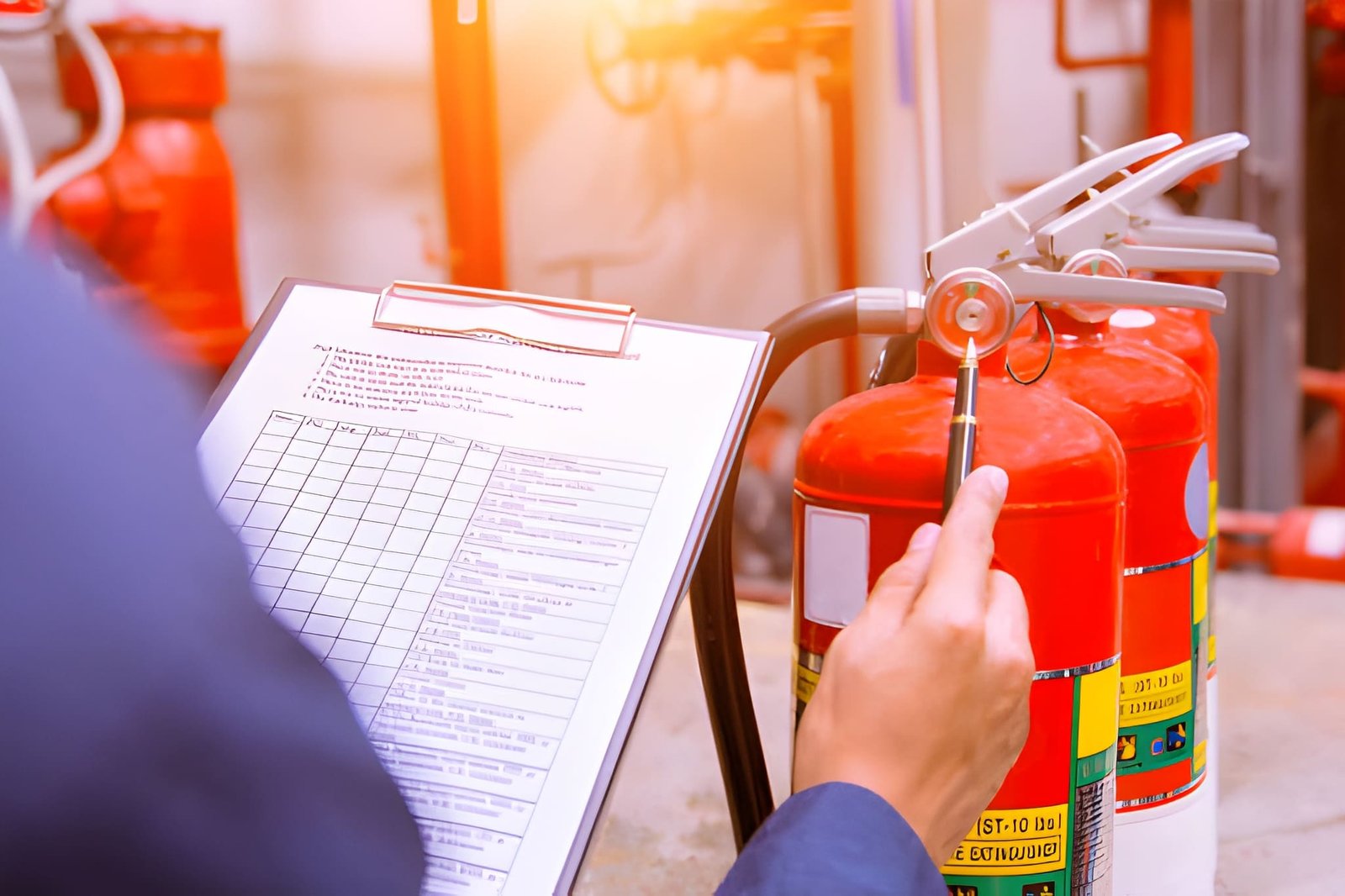
Fire extinguishers provide immediate response capabilities for small fires.
Recommended Locations
- Kitchens
- Garages
- Offices
- Workshops
Maintenance
- Inspect regularly
- Ensure accessibility
- Replace expired units
Proper use of fire extinguishers can prevent minor incidents from becoming major disasters.
Improve Workplace Fire Safety
Businesses must implement comprehensive fire safety programs.
Workplace Safety Measures
- Employee training
- Emergency drills
- Hazard identification
- Equipment maintenance
- Compliance with safety regulations
Following workplace-specific Fire Prevention Tips helps protect employees and business operations.
Child Fire Safety Education
Children should be taught basic fire safety principles.
Important lessons include:
- Recognizing fire alarms
- Evacuation procedures
- Emergency contact numbers
- Avoiding dangerous behavior with matches or lighters
Education plays a major role in preventing accidents.
Prevent Candle-Related Fires
Candles create a warm atmosphere but can also pose significant risks.
Safety Guidelines
- Never leave candles unattended
- Place candles on stable surfaces
- Keep away from curtains and paper
- Extinguish before leaving a room
Safer alternatives such as LED candles can reduce risks further.
Smoking Safety
Smoking materials remain a common cause of fires.
Safety Practices
- Use proper ashtrays
- Fully extinguish cigarettes
- Avoid smoking in bed
- Dispose of smoking materials responsibly
These precautions help reduce accidental ignition.
Improve Housekeeping Practices
Good housekeeping contributes significantly to fire prevention.
Benefits Include
- Reduced clutter
- Improved accessibility
- Lower fire load
- Better emergency response
Keeping areas clean and organized minimizes potential fire hazards.
Use Smart Fire Detection Technology
Modern technology is transforming fire safety.
Smart Solutions Include
- Smart smoke detectors
- Mobile alerts
- Remote monitoring
- Integrated security systems
Many homeowners and businesses consider smart technology among the most effective Fire Prevention Tips available today.
Prepare for Emergencies
Emergency preparedness improves response effectiveness during fire incidents.
Emergency Supplies
Maintain:
- First aid kits
- Flashlights
- Emergency contact lists
- Backup communication devices
Preparedness helps reduce panic and improve safety outcomes.
Fire Prevention in Commercial Buildings
Commercial facilities face unique fire safety challenges.
Important Measures
- Fire alarm systems
- Sprinkler systems
- Employee training
- Regular inspections
- Emergency evacuation plans
Businesses must prioritize fire prevention to protect employees, customers, and assets.
Fire Prevention in Industrial Facilities
Industrial environments often contain higher fire risks.
Risk Factors
- Machinery
- Chemicals
- Electrical systems
- Manufacturing processes
Comprehensive fire prevention programs are essential in these settings.
Benefits of Following Fire Prevention Tips
Implementing fire safety measures provides numerous advantages.
Enhanced Safety
Protects people from injury and loss of life.
Reduced Property Damage
Minimizes financial losses caused by fires.
Improved Compliance
Supports adherence to safety regulations.
Lower Insurance Costs
Many insurers offer reduced premiums for properties with strong fire safety measures.
Greater Peace of Mind
Knowing that safety measures are in place provides confidence and security.
Future Trends in Fire Prevention
Technology continues to improve fire prevention capabilities.
Emerging Innovations
- Artificial Intelligence monitoring
- Smart sensors
- Cloud-based safety systems
- Predictive analytics
- Automated emergency notifications
These advancements are making fire prevention more proactive and effective.
Conclusion
Implementing effective Fire Prevention Tips is one of the most important steps individuals and organizations can take to protect lives and property. By identifying hazards, maintaining equipment, installing detection systems, and preparing for emergencies, homeowners and businesses can significantly reduce fire risks.
Fire prevention is an ongoing responsibility that requires awareness, education, and regular maintenance. Whether through modern fire alarm systems, safe electrical practices, proper storage of flammable materials, or emergency planning, every preventive action contributes to a safer environment.
By following these proven Fire Prevention Tips, families, employees, and organizations can create secure spaces, minimize risks, and enjoy greater peace of mind for years to come.