Introduction
A safe home is the foundation of a happy and healthy life. Every family deserves a secure living environment where they can feel protected from accidents, hazards, and unexpected emergencies. However, maintaining home safety requires regular attention, planning, and awareness.
A Home Safety Checklist is a structured guide that helps homeowners identify risks and ensure that every part of the house is safe and well-maintained. It includes fire safety, electrical safety, security measures, and emergency preparedness steps.
By following a proper Home Safety Checklist, families can prevent accidents, reduce risks, and create a safer environment for everyone. This guide provides a complete breakdown of essential safety practices that every household should follow.
Why Home Safety Checklist Is Important
A Home Safety Checklist helps homeowners stay organized and proactive about safety.
Key Benefits:
- Prevents accidents and injuries
- Improves fire safety
- Enhances home security
- Reduces repair costs
- Ensures emergency readiness
- Protects family members
Regular safety checks ensure that small problems do not turn into major dangers.
Fire Safety Checklist
Fire prevention is one of the most important parts of any Home Safety Checklist.
Smoke Detectors
- Install in bedrooms and hallways
- Test monthly
- Replace batteries regularly
Fire Extinguishers
- Keep in kitchen and garage
- Learn proper usage
- Check expiry dates
Escape Plan
Every family should have:
- Emergency exits
- Meeting point outside home
- Practice drills
Fire safety saves lives and must be checked regularly.
Electrical Safety Checklist
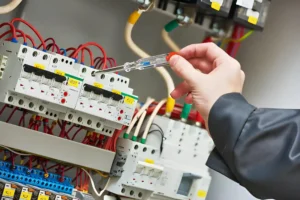
Electrical issues are a major cause of home accidents.
Inspection Points:
- Damaged wires
- Overloaded sockets
- Faulty switches
- Old wiring systems
A proper Home Safety Checklist ensures electrical systems are safe and functional.
Safety Tips:
- Avoid overloading plugs
- Use certified appliances
- Hire professionals for repairs
Home Security Checklist
Home security protects your family from intruders and theft.
Door Security:
- Strong locks
- Deadbolts
- Smart locks
Window Security:
- Proper locking system
- Security grills
- Shatter-resistant glass
Security is a key part of the Home Safety Checklist for modern homes.
Kitchen Safety Checklist
Kitchen is one of the most accident-prone areas.
Safety Rules:
- Never leave cooking unattended
- Keep flammable items away
- Clean cooking surfaces regularly
Appliance Safety:
- Check gas leaks
- Maintain oven and stove
- Keep fire extinguisher nearby
Bathroom Safety Checklist
Bathrooms are high-risk areas for slips and falls.
Important Checks:
- Non-slip mats
- Proper lighting
- Grab bars for support
- Dry floor maintenance
A complete Home Safety Checklist always includes bathroom safety.
Child Safety Checklist
Homes with children need extra precautions.
Safety Measures:
- Cover electrical outlets
- Secure furniture
- Lock hazardous items
- Install stair gates
Children are curious, so safety must be strict and consistent.
Outdoor Safety Checklist
Outdoor areas also need regular inspection.
Key Areas:
- Garden maintenance
- Pathway lighting
- Fence security
- Drainage systems
Outdoor safety is often ignored but very important in a Home Safety Checklist.
Carbon Monoxide & Fire Gas Safety
Invisible gases can be dangerous.
Safety Steps:
- Install carbon monoxide detectors
- Check gas appliances regularly
- Ensure proper ventilation
This part of the Home Safety Checklist protects against silent hazards.
Emergency Preparedness Checklist
Being prepared saves lives during emergencies.
Essentials:
- First aid kit
- Emergency contacts
- Flashlights and batteries
- Water and food supply
Preparation is a core part of every Home Safety Checklist.
Smart Home Safety Checklist
Modern homes use smart technology for better protection.
Smart Devices:
- Smart cameras
- Motion sensors
- Smart locks
- Smoke detectors
Technology improves the effectiveness of a Home Safety Checklist.
Seasonal Home Safety
Different seasons bring different risks.
Winter:
- Heating system check
- Fire safety inspection
Summer:
- Cooling system maintenance
- Electrical safety check
Seasonal inspection is important for full home protection.
Common Risks Found in Home Safety Checklist
- Electrical faults
- Fire hazards
- Water leaks
- Security issues
- Structural problems
Identifying these early prevents major damage.
Benefits of Following Home Safety Checklist
Better Protection
Keeps family safe from accidents.
Cost Savings
Prevents expensive repairs.
Peace of Mind
Creates stress-free living.
Higher Property Value
Well-maintained homes are more valuable.
Conclusion
A Home Safety Checklist is essential for every household that values safety, comfort, and peace of mind. It helps identify risks, prevent accidents, and ensure that every part of the home is secure.
By regularly following a Home Safety Checklist, families can protect themselves from fire, electrical hazards, security threats, and emergencies. Home safety is not a one-time task but a continuous process that ensures long-term protection and well-being.