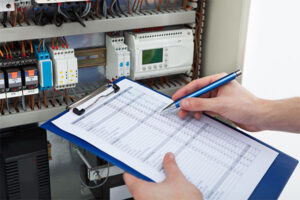
Electrical safety is a key priority for property owners, whether you are a landlord, business owner, or homeowner. One of the most important steps in ensuring the safety of your electrical installations is conducting an (Electrical Installation Condition Report). An EICR is a comprehensive inspection of the electrical systems in your property to check their condition and ensure they comply with safety regulations. This inspection is crucial to protect the safety of both your property and its occupants.
What is an EICR?
An EICR is a detailed report provided by a qualified electrician after inspecting the electrical system in a property. The Electrical Installation Condition Report examines the condition of the wiring, circuits, sockets, and the consumer unit (fuse box) to ensure everything is working safely and effectively. The goal is to detect any potential electrical hazards that may pose a risk, such as faulty wiring, damaged electrical appliances, or overloaded circuits.
If the system passes the inspection, a safety certificate is issued, confirming that the property meets the required safety standards. If any problems are found, the electrician will provide recommendations for necessary repairs or upgrades.
Why is an EICR Important?
1. Safety of Occupants
The most critical reason for scheduling an Electrical Installation Condition Report is the safety of the people living or working in the property. Faulty electrical systems are a leading cause of house fires and electrical accidents. By conducting regular EICR inspections, property owners can identify issues before they lead to dangerous situations, such as electric shocks or fires.
The inspection checks for common hazards like damaged wiring, faulty electrical outlets, or outdated equipment that may not meet current safety standards. Ensuring the electrical system is safe prevents potential accidents and provides peace of mind.
2. Legal Compliance
In the UK, landlords are legally required to carry out an EICR inspection every five years for their rental properties under the Electrical Safety Standards in the Private Rented Sector (England) Regulations 2020. After the inspection, the landlord must provide the tenant with a copy of the EICR certificate within 28 days.
Failing to comply with these regulations can lead to significant fines, legal action, or even imprisonment. Regular EICR inspections ensure landlords are meeting their legal obligations and are protecting the safety of their tenants.
3. Insurance and Financial Protection
Many insurance companies require a valid Electrical Installation Condition Report before offering or renewing insurance for a property. If an electrical issue were to cause damage, such as a fire, the insurance company may refuse to process a claim if there is no evidence of an up-to-date EICR. Having this report helps ensure that your property is adequately covered and compliant with the insurance requirements.
4. Preventing Costly Repairs
An EICR allows you to identify and address electrical issues early, preventing larger, more costly problems in the future. During the inspection, the electrician will test all aspects of the electrical system, identifying any faults, wear, or potential issues. Early intervention can prevent more expensive repairs later, such as replacing entire circuits or rewiring the property.
By identifying issues early, you can also save on energy costs. Inefficient electrical systems often waste energy, leading to higher utility bills. An Electrical Installation Condition Report helps optimize energy efficiency by ensuring all appliances and systems are working at their best.
The Process of an EICR
The process of conducting an Electrical Installation Condition Report typically involves the following steps:
1. Initial Visual Inspection
The first part of the EICR process involves a visual inspection of the property’s electrical systems. The electrician will check for obvious signs of wear, such as damaged cables, exposed wiring, or loose connections. The condition of electrical appliances and installations is also assessed during this stage.
2. Testing the Electrical System
The electrician will then use specialized equipment to test the functionality of the electrical system. This includes checking the integrity of the wiring, assessing the condition of the circuits, and ensuring that the grounding is adequate. The electrician will also measure the electrical load to ensure that the system is not overloaded and that it meets current safety standards.
3. Identifying Issues and Risks
During the inspection, the electrician will look for potential hazards such as:
- Overloaded circuits
- Damaged or old wiring
- Unsafe electrical appliances
- Incorrectly installed or faulty outlets
If any issues are identified, the electrician will highlight them in the report and provide suggestions for the necessary repairs or upgrades.
4. Issuing the Report
Once the inspection is complete, the electrician will issue the Electrical Installation Condition Report . This report will outline the results of the inspection, the condition of the electrical system, and any recommended actions. If the system is found to be compliant with safety standards, a safety certificate will be issued. If repairs are required, the electrician will detail the work that needs to be done.
EICR in London
In London, as in the rest of the UK, landlords are legally required to conduct an Electrical Installation Condition Report for their rental properties. However, in London, where many properties are older and may have outdated electrical systems, the need for regular inspections is even more important. Properties in London may have wiring that is decades old, which could be more prone to wear and faults.
For landlords in London, it’s essential to hire a qualified and experienced electrician who is familiar with the specific requirements and regulations of the city. Electrical installations in older buildings need careful attention to meet current safety standards, and a thorough EICR ensures that any potential risks are identified and addressed.
Conclusion
An Electrical Installation Condition Report is an essential step in maintaining the electrical safety of your property. Whether you are a homeowner, business owner, or landlord, conducting regular inspections helps to ensure the safety of the building’s electrical systems and protect its occupants. In addition to improving safety, an Electrical Installation Condition Report ensures legal compliance, protects against insurance risks, and prevents costly electrical repairs.
For landlords, regular EICR inspections are a legal requirement, and providing tenants with a copy of the EICR certificate is crucial to avoid penalties. In London, where the city’s vast number of old properties presents unique challenges, hiring a qualified electrician to carry out an EICR inspection is vital for maintaining safety and compliance.