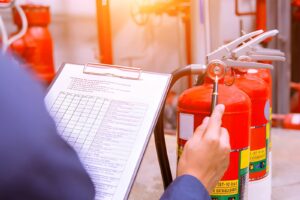
If you own or manage property in London, fire safety isn’t something you can afford to overlook. Between legal responsibilities, rising insurance costs and the simple duty of care towards tenants, staying on top of compliance is essential.
A fire risk assessment is one of the most important steps you can take to protect your building, the people living in it, and your financial security. It’s not just paperwork. Done properly, a fire risk assessment helps prevent disasters before they happen and gives you peace of mind that your property is safe and compliant.
Let’s break down why it matters so much.
What Is a Fire Risk Assessment?
A fire risk assessment is a structured inspection of a property to identify fire hazards, evaluate the level of risk, and recommend actions to reduce or remove those risks.
In London, landlords and the “responsible person” for a building are legally required to carry out a suitable and sufficient fire risk assessment under the Regulatory Reform (Fire Safety) Order 2005. This usually applies to:
HMOs (Houses in Multiple Occupation)
Blocks of flats (communal areas)
Converted properties
Mixed-use buildings
Commercial premises
A professional fire risk assessment typically involves:
Identifying ignition sources (electrical systems, cookers, heaters)
Checking smoke alarms and fire alarm systems
Inspecting fire doors and escape routes
Reviewing emergency lighting
Assessing signage and firefighting equipment
Producing a written report with recommendations
It’s about understanding how a fire could start, how it might spread, and what needs to be done to prevent it or control it.
Why Fire Risk Assessment Is So Important in London
London’s property landscape is unique. Many buildings are older conversions. Space is limited. Occupancy levels are high. In HMOs especially, multiple unrelated tenants share kitchens, hallways and facilities increasing potential fire risks.
Because of this, local authorities and the London Fire Brigade take fire risk assessment compliance very seriously. Enforcement action, improvement notices and heavy fines are real possibilities if you’re found non-compliant.
But beyond enforcement, the real issue is safety. A single fire can displace families, cause serious injury, and result in huge financial losses. A thorough fire risk assessment helps reduce that risk dramatically.
How a Fire Risk Assessment Protects Your Property
1. It Identifies Problems Early
Most serious fires don’t start with dramatic explosions they start with small, preventable issues:
Overloaded sockets
Faulty wiring
Blocked escape routes
Damaged fire doors
Poorly maintained alarm systems
A fire risk assessment highlights these risks before they turn into major incidents.
Catching problems early is always cheaper than dealing with the aftermath of a fire.
2. It Limits Fire Spread
In multi-occupancy buildings, fire can spread quickly if compartmentation isn’t working properly. Fire doors, protected stairwells and sealed service penetrations all play a role in containing fire.
A proper fire risk assessment checks:
Whether fire doors close correctly
Whether seals and intumescent strips are intact
Whether escape routes are protected
Whether walls and ceilings maintain fire resistance
When these measures are in place, even if a fire starts, the damage can be significantly reduced.
3. It Protects Long-Term Property Value
Fire damage doesn’t just affect the structure it affects your investment.
Smoke damage alone can require extensive refurbishment. Severe incidents may make parts of a building uninhabitable for months, leading to loss of rental income.
Regular fire risk assessment reviews demonstrate responsible property management and help protect the long-term value of your asset.
How a Fire Risk Assessment Protects Your Tenants
At the heart of every fire risk assessment is tenant safety.
As a landlord, your tenants trust that their home is safe. They may never think about fire doors, alarm grades or emergency lighting but you need to.
1. Safe and Clear Escape Routes
In an emergency, confusion and panic are common. A fire risk assessment ensures:
Escape routes are clearly marked
Corridors and stairwells are free from obstruction
Emergency lighting works properly
Final exits are accessible
Those extra seconds during evacuation can save lives.
2. Reliable Fire Detection Systems
Early detection is critical. A working fire alarm system gives occupants time to react before a fire spreads.
A fire risk assessment checks whether:
Smoke detectors are correctly positioned
Heat detectors are installed where required
Alarm panels function properly
Systems are maintained and tested
In HMOs especially, the right grade of alarm system is essential to meet HMO fire regulations in London.
3. Protection for Vulnerable Occupants
London rental properties house a wide range of tenants students, families, elderly residents and people with mobility challenges.
A fire risk assessment considers whether additional measures are needed, such as:
Enhanced alarm systems
Improved signage
Personal emergency evacuation planning
It’s not just about compliance. It’s about responsibility.
How Fire Risk Assessment Protects Your Insurance
Insurance is one of the biggest concerns for landlords today. Premiums in London have risen in recent years, and insurers are increasingly focused on risk management.
A documented fire risk assessment demonstrates that you are actively managing fire safety and that matters.
1. Supporting Insurance Claims
If a fire does occur, insurers will investigate. They may ask:
Was a fire risk assessment in place?
Were identified actions addressed?
Was the building compliant?
If you cannot provide evidence of a suitable fire risk assessment, your claim could be reduced or challenged.
2. Reducing Risk Exposure
Insurers assess properties based on risk. Buildings with clear fire safety procedures and up-to-date fire risk assessment documentation are viewed more favourably than those with gaps in compliance.
While premiums depend on many factors, strong fire safety management can support better underwriting outcomes.
3. Protecting Against Liability Claims
If tenants are injured due to fire safety failings, landlords may face serious legal claims.
A current and properly conducted fire risk assessment shows that reasonable steps were taken to protect occupants. That documentation can be critical in defending against allegations of negligence.
How Often Should a Fire Risk Assessment Be Reviewed?
There isn’t a single fixed expiry date, but best practice in London generally suggests:
Annually for HMOs and higher-risk buildings
Every 1–2 years for standard residential blocks
Immediately after major alterations
After a fire incident
When there is significant change in occupancy
A fire risk assessment is not something you file away and forget. It should reflect the current condition of the building.
Common Issues Found in London Properties
In practice, many London buildings especially older conversions have similar recurring issues uncovered during a fire risk assessment:
Non-compliant fire doors
Inadequate alarm coverage
Missing emergency lighting
Combustible storage in communal areas
Poor documentation of testing and maintenance
Addressing these issues early avoids enforcement action and protects everyone involved.
The Cost of Ignoring Fire Risk Assessment
Failing to carry out a fire risk assessment can result in:
Improvement or prohibition notices
Unlimited fines
Criminal prosecution
Insurance complications
Loss of rental income
Serious harm to tenants
Beyond financial consequences, the reputational damage can be significant especially in a competitive London rental market.
Compared to those risks, arranging a professional fire risk assessment is a straightforward and sensible investment.
Choosing the Right Fire Risk Assessor
Not all assessments are equal. A proper fire risk assessment should be thorough, property-specific and clearly documented.
Look for:
Relevant qualifications and experience
Knowledge of London property types
Detailed written reports
Clear, prioritised recommendations
Professional indemnity insurance
A generic, rushed inspection will not provide real protection. A well-conducted fire risk assessment will.
Final Thoughts
A fire risk assessment isn’t just about meeting a legal requirement. It’s about protecting your investment, fulfilling your responsibilities as a landlord, and ensuring that the people living in your property are safe.
In a city like London with dense housing, strict regulation and high tenant expectations proactive fire safety management is essential.
By arranging a professional fire risk assessment and keeping it up to date, you:
Reduce the risk of devastating fires
Protect your tenants
Strengthen your insurance position
Demonstrate responsible property management
Safeguard your long-term property value
Ultimately, a fire risk assessment gives you confidence that you’ve done your part to prevent the worst from happening and that’s something every property owner should take serious