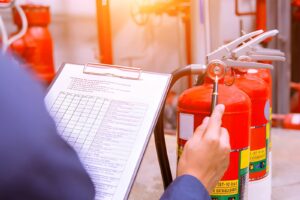
In London’s property market, insurance premiums have become a growing concern for landlords and property managers. With rising rebuild costs, stricter underwriting, and increased fire safety scrutiny, insurers are paying closer attention to how buildings are managed.
One factor that can significantly influence how insurers assess risk is a fire risk assessment.
While a fire risk assessment is primarily a legal requirement, it also plays a major role in shaping how insurers evaluate your property. In many cases, it can affect the price you pay, the terms you’re offered, and whether a claim is paid in full.
Let’s explore how a fire risk assessment directly impacts insurance premiums in London and why keeping it up to date is more important than ever.
Why Insurers Care About Fire Risk
From an insurer’s perspective, fire is one of the most expensive property risks. A single incident can lead to:
Structural damage
Smoke contamination
Loss of rental income
Alternative accommodation costs
Liability claims from tenants
In densely populated areas like London, fire damage can spread between neighbouring units or buildings, increasing the size of potential claims.
Because of this, insurers assess how well a landlord manages fire safety before deciding on premiums and policy terms. A current and well-documented fire risk assessment demonstrates that you take risk management seriously.
What Is a Fire Risk Assessment?
A fire risk assessment is a detailed review of a building to identify potential fire hazards and evaluate the measures in place to reduce risk.
Under the Regulatory Reform (Fire Safety) Order 2005, landlords and responsible persons must ensure a suitable and sufficient fire risk assessment is carried out in communal areas of residential buildings and commercial premises.
It typically includes:
Identifying ignition sources
Reviewing alarm systems
Inspecting fire doors
Checking emergency lighting
Assessing escape routes
Documenting findings and recommendations
In London, where many properties are older conversions or HMOs, a professional fire risk assessment is especially important.
How Fire Risk Assessments Influence Insurance Premiums
Insurance pricing is based on risk. The lower the perceived risk, the more favourable the terms may be. Here’s how a fire risk assessment fits into that calculation.
1. Demonstrating Active Risk Management
Insurers prefer landlords who actively manage their properties rather than react to problems after they occur.
A current fire risk assessment shows that:
Hazards have been identified
Safety systems have been reviewed
Necessary improvements have been recommended
Compliance is being maintained
This reduces uncertainty for underwriters.
If you cannot provide evidence of a recent fire risk assessment, insurers may assume higher risk which can lead to higher premiums.
2. Reducing the Likelihood of Claims
The main purpose of a fire risk assessment is prevention. By identifying issues like faulty fire doors, inadequate alarm systems or blocked escape routes, you reduce the chance of a serious incident.
Fewer incidents mean fewer claims.
Properties with good fire safety standards are statistically less likely to suffer catastrophic losses. Insurers consider this when assessing renewal terms.
3. Strengthening Your Position During Policy Renewal
When policies are renewed, insurers often review:
Claims history
Property condition
Compliance documentation
Providing an up-to-date fire risk assessment can support smoother renewals. It shows continuity in compliance and responsible management.
In contrast, missing documentation can delay renewals or trigger additional inspections.
4. Avoiding Policy Restrictions
In some cases, insurers may apply restrictions or conditions if fire safety compliance is unclear. These might include:
Higher excess amounts
Exclusions related to fire damage
Requirements for additional surveys
A comprehensive fire risk assessment can reduce the likelihood of restrictive policy conditions.
Fire Risk Assessment and Insurance Claims
The impact of a fire risk assessment becomes especially important when a claim is made.
If a fire occurs, insurers will investigate whether the landlord met their legal obligations. They may request:
A copy of the most recent fire risk assessment
Evidence that recommended actions were completed
Maintenance records for alarms and fire doors
If no valid fire risk assessment exists, insurers may argue that reasonable precautions were not taken. This could lead to:
Reduced payouts
Delays in settlement
Rejection of the claim
In serious cases involving injury, liability claims may follow. Proper documentation can be critical in defending against allegations of negligence.
London-Specific Insurance Challenges
London presents unique risk factors that insurers consider:
High property values and rebuild costs
Dense housing arrangements
Large numbers of HMOs
Older buildings with complex layouts
Mixed-use developments
Because potential claim values are higher, insurers apply stricter scrutiny. A professional fire risk assessment helps reassure insurers that fire safety risks are under control.
In blocks of flats, for example, issues with compartmentation or communal areas can significantly increase potential exposure. Demonstrating that these areas have been assessed and maintained can positively influence underwriting decisions.
The Financial Reality: Can Fire Risk Assessments Lower Premiums?
It’s important to be realistic. A fire risk assessment alone does not automatically reduce insurance premiums. Insurers consider many factors, including:
Location
Claims history
Rebuild cost
Property type
Occupancy level
However, a well-managed property with documented compliance may be viewed more favourably than one without evidence of fire safety management.
At the very least, a fire risk assessment helps prevent premium increases driven by unmanaged risk.
More importantly, it protects you from potentially devastating uninsured losses.
Common Fire Safety Issues That Raise Insurance Concerns
During underwriting or post-incident investigations, insurers often flag:
Non-compliant fire doors
Inadequate alarm systems
Poor maintenance records
Combustible materials in communal areas
Lack of emergency lighting
Missing documentation
A professional fire risk assessment identifies these problems early so they can be corrected before they impact insurance.
The Cost of Ignoring Fire Risk Assessment
Failing to carry out a fire risk assessment can result in:
Enforcement action by local authorities
Unlimited fines
Criminal prosecution
Invalid insurance claims
Increased future premiums
Serious harm to tenants
From an insurance perspective, non-compliance represents unmanaged risk something insurers price aggressively or avoid entirely.
In extreme cases, landlords may struggle to secure cover at all.
Best Practice for Protecting Insurance Position
To strengthen your insurance profile in London, landlords should:
Arrange a professional fire risk assessment at recommended intervals
Act promptly on high-priority recommendations
Keep detailed maintenance records
Test alarm systems regularly
Maintain fire doors and emergency lighting
Keep communal areas clear
Store documentation securely and digitally
This proactive approach not only improves safety but also demonstrates strong risk management to insurers.
Working with Qualified Assessors
Not all assessments carry the same weight. Insurers are more confident when fire risk assessments are conducted by competent, qualified professionals with appropriate experience.
A thorough, property-specific report with clear recommendations provides stronger evidence than a generic checklist.
If your building has complex features such as multiple stairwells, commercial units or high occupancy a detailed assessment is especially important.
Final Thoughts
In London’s evolving property market, insurance premiums are influenced by more than just postcode and rebuild value. Risk management plays a growing role in how insurers price policies.
A current and professionally conducted fire risk assessment demonstrates that you are taking your responsibilities seriously. It reduces the likelihood of fire, supports smoother renewals, strengthens your position during claims, and protects against enforcement action.
While it may not guarantee lower premiums on its own, a fire risk assessment can prevent costly surprises and that alone makes it a critical part of responsible property management.
Ultimately, the real value goes beyond insurance. It protects your tenants, your reputation and your long-term investment in one of the world’s most demanding property markets.