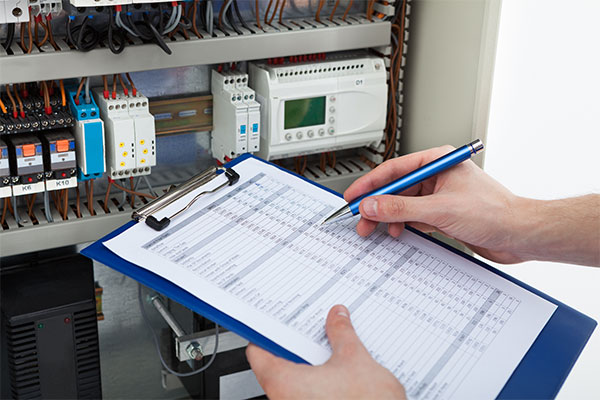
Electrical systems are often out of sight — but they should never be out of mind. An EICR check is one of the most important steps you can take to ensure your property is safe, compliant, and protected from preventable hazards.
An EICR check identifies electrical risks before they become dangerous or costly problems.
What Is an EICR?
An Electrical Installation Condition Report (EICR) is a formal document issued after a qualified electrician inspects the fixed electrical installations within a property.
It evaluates the safety and condition of:
Wiring systems
Consumer unit (fuse board)
Earthing and bonding
Sockets and switches
Light fittings
Electrical circuits
The goal is to determine whether the installation meets current safety standards and to identify any potential fire or shock risks.
Why EICR Checks Matter
Electrical faults are one of the leading causes of property fires in the UK. Over time, wiring deteriorates, circuits become overloaded, and older systems may no longer meet modern regulations.
An EICR helps to:
Prevent electrical fires
Reduce risk of electric shock
Identify overloaded circuits
Highlight outdated installations
Ensure compliance with legal standards
Regular inspections provide peace of mind and reduce liability — particularly for landlords and commercial property owners.
Is an EICR a Legal Requirement?
For landlords in England, yes.
Under the Electrical Safety Standards in the Private Rented Sector (England) Regulations 2020, rental properties must undergo an electrical inspection at least every five years.
Landlords must:
Provide a copy of the EICR to tenants
Complete remedial work for unsatisfactory reports
Supply the report to local authorities upon request
Failure to comply can result in significant fines.
For homeowners, EICRs are not mandatory — but strongly recommended every 10 years, or when selling a property.
What Happens During an EICR Inspection?
A qualified electrician will:
Conduct a visual inspection
Test circuits using specialist equipment
Check for compliance with standards set by the British Standards Institution
Identify faults and categorise them by severity
EICR Classification Codes
C1 (Danger Present) – Immediate action required
C2 (Potentially Dangerous) – Urgent remedial work needed
C3 (Improvement Recommended) – Not unsafe, but upgrading advised
FI (Further Investigation Required) – Additional checks needed
If C1 or C2 issues are identified, the report will be marked “unsatisfactory” until repairs are completed.
How Often Should You Get an EICR?
Recommended intervals:
Every 5 years – Rental properties
Every 10 years – Owner-occupied homes
Every 5 years – Commercial properties
At change of tenancy – Best practice for landlords
After major renovations or rewiring
Older properties may require more frequent inspections.
Benefits of Regular EICR Checks
Beyond compliance, EICR inspections provide:
Increased property value
Improved buyer confidence
Lower risk of insurance disputes
Reduced maintenance surprises
Enhanced tenant trust
For landlords and investors, maintaining up-to-date electrical certification demonstrates responsible property management.
Common Issues Found in EICRs
Typical faults include:
Outdated fuse boards
Lack of RCD protection
Overloaded sockets
Poor earthing
DIY electrical work
Damaged wiring
Addressing these issues early prevents expensive repairs later.
Final Thoughts
Electrical safety is not something to postpone. Whether you are a homeowner, landlord, or commercial property owner, an EICR check is a practical and preventative investment.
By identifying hidden risks and ensuring compliance with modern standards, EICRs protect lives, reduce liability, and maintain the long-term integrity of your property.